
So you’re curious about IPTV reselling in the UK and How IPTV Reselling Works ? Maybe you’ve heard about people building side incomes selling TV subscriptions, or perhaps you’re looking for a flexible business you can run from your kitchen table in Manchester or your flat in London. Whatever brought you here, I’ll walk you through exactly how this business works—no fluff, no technical jargon, just straight talk from someone who’s spent time understanding this industry inside and out.
What Is IPTV Reselling, Really?
Let’s strip away the complexity. IPTV stands for Internet Protocol Television, which is just a fancy way of saying “TV delivered through your internet connection instead of a satellite dish or aerial”. When you become an IPTV reseller, you’re essentially the middleman between the big streaming infrastructure and the everyday viewer sitting on their sofa in Birmingham or Belfast.
You don’t own the servers. You don’t maintain the channel feeds. You don’t need a degree in computer science. What you do is simple: you buy access to a reseller panel (think of it as your digital control room), purchase credits that act like digital currency, and sell subscription packages to customers who want access to thousands of channels without the hefty Sky or Virgin Media bill.
The beauty of this model? You’re selling a service people already want. With traditional cable TV subscriptions in the UK running upwards of £60-£80 monthly, and streaming fragmentation leaving people juggling six different apps, there’s genuine demand for an all-in-one solution.
The IPTV Reseller Panel: Your Business Dashboard
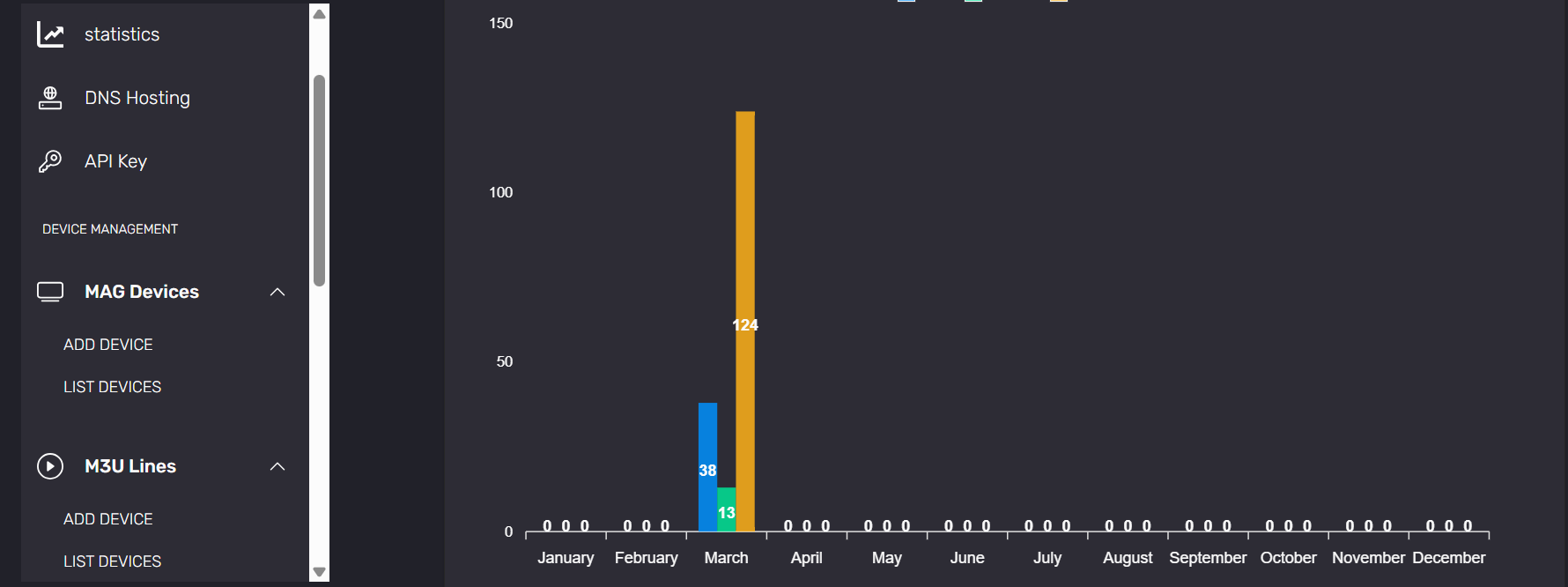
Imagine logging into a website that looks something like your online banking, but instead of moving money around, you’re creating TV subscriptions. That’s your reseller panel.
A proper IPTV reseller panel gives you a clean interface where you manage everything. When a customer messages you on WhatsApp asking for a trial, you log in, click “Add Trial User,” and generate login credentials that work instantly. When someone pays you £15 for a month’s access, you convert that payment into credits, create their account, and send them their details—all without leaving your browser.
The panel tracks who’s active, who’s about to expire, and who’s watching what. You can see if your customer in Glasgow is streaming the Rangers match or if someone’s binge-watching box sets at 3am. More importantly, you can spot problems before customers complain. If a channel goes down, you’ll see connection failures in real-time, which means you can either fix it or warn your subscribers before they flood your messages.
Most UK-focused panels, like the one we run at BritishIPTVReseller.com, are optimised for British broadband speeds and viewing habits. That means the dashboard loads quickly on a standard BT Fibre connection, and the channel organisation makes sense to UK viewers.
Understanding the Credit System: Your Digital Currency
Here’s where newcomers often get confused, so let me break it down plainly.
Credits are not money. They’re the internal currency of your reseller panel, and they represent the cost of activating a subscription. Think of it like buying tokens at a fairground—you exchange your pounds for tokens, then use those tokens to ride the attractions.
When you sign up as a reseller, you purchase a credit package. Let’s say you buy 50 credits for £100. Those credits sit in your panel account like a balance. Now, when a customer pays you £15 for a one-month subscription, you log into your panel and create their account. The panel might deduct 10 credits for that one-month line. You’ve just spent £2 worth of credits (since each credit cost you £2) to provide a service you sold for £15. That £13 difference? That’s your profit.
Different subscription lengths cost different credit amounts. A one-month subscription might cost 10 credits, three months could be 25 credits, and a full year might run 80 credits . The longer the subscription, the better the value for the customer, but you always control your pricing. If you want to charge £50 for three months instead of the market rate of £30, that’s entirely your call. Your margins are yours to set.
The credit system protects both you and the provider. You never handle actual streaming infrastructure—you’re simply managing access through a system that’s already built, tested, and maintained by people who understand server architecture.
The Ticket System: Keeping Your Customers Happy
Running an IPTV reselling business isn’t just about creating accounts and collecting payments. Things go wrong. Streams buffer during the Champions League final. A customer forgets their password. Someone’s Firestick decides to update itself and wipes the app.
This is where a proper ticket system becomes your lifeline. Rather than juggling WhatsApp messages, emails, and Instagram DMs, professional resellers use structured support tickets that track every customer issue from start to finish.
When a customer reports a problem, you create a ticket. The system logs when it was opened, what the issue is, and what you did to fix it. If a customer claims they reported buffering three weeks ago, you have a record. If multiple people complain about the same channel, you spot a pattern and can escalate it to your provider rather than troubleshooting the same issue ten times.
For UK resellers, ticket systems are particularly valuable because you’re dealing with customers who expect prompt service. British viewers don’t want to wait 48 hours for a response when EastEnders is on in two hours. A good ticket system lets you prioritise urgent issues, assign categories (technical, billing, general enquiry), and maintain professional standards even if you’re running this business solo from your spare room.
Sub-Resellers: Building Your Own Network
Once you’ve mastered the basics and have steady customers, there’s an advanced strategy that separates hobby resellers from serious business owners: recruiting sub-resellers.
Here’s how it works. You give a portion of your credits to another person—maybe someone in Liverpool who wants to sell to their local community, or a chap in Bristol with a strong social media following. They get their own scaled-down panel, their own customers, and they buy credits from you at a markup.
Why would you do this? Because it’s scalable. Managing 100 individual customers means 100 WhatsApp conversations, 100 renewal reminders, 100 potential technical issues. Managing five sub-resellers who each handle 20 customers means five relationships, and those five people handle the day-to-day grind.
Your panel lets you set profit margins automatically. If you tell the system to add 20% to your credit prices for sub-resellers, they see higher rates than you pay, and that difference flows to your bottom line without you lifting a finger. They handle the customers; you handle the infrastructure relationship.
What You Actually Need to Get Started
Let’s dispel the myth that you need thousands of pounds and a technical background. You don’t.
The essentials:
-
A reliable IPTV provider with UK-optimised servers
-
A reseller panel account with starting credits (typically £60-£100 minimum)
-
A way to accept payments (PayPal, bank transfer, or cash if you’re keeping it local)
-
A basic online presence—a Facebook page, a simple website, or even just a professional WhatsApp Business profile
-
Patience and willingness to learn
The nice-to-haves:
-
A branded website that makes you look established
-
Automated billing through your panel
-
Social media presence for organic marketing
-
A dedicated email for business enquiries
Most successful UK resellers start small. They test the panel with friends and family, iron out their customer service process, and gradually expand through word-of-mouth. The Premier League season starts, everyone wants sports access, and suddenly you’re processing ten new sign-ups a week.
The Reality Check: What Nobody Tells You
I’d be doing you a disservice if I pretended this was easy money. It’s not.
Customer support is relentless. People message at midnight because their box isn’t working. They blame you when their internet provider has an outage. They expect Netflix-level reliability at a fraction of the cost. If you’re not prepared to be patient, helpful, and occasionally thick-skinned, this business will drain you quickly.
You also need to stay realistic about the legal landscape. IPTV exists in a grey area in the UK, and while reselling access isn’t directly prosecuted in the same way running the main servers might be, you need to understand what you’re involved in. Don’t make promises you can’t keep, don’t claim to be a licensed broadcaster, and always be honest with customers about what they’re buying.
The providers who last in this business are the ones who treat it like a real business—not a get-rich-quick scheme. They reinvest profits into better support tools, they build genuine relationships with customers, and they stay informed about technology changes that affect their service.
Why the UK Market Is Different
British viewers have specific expectations. They want their British channels, their regional ITV variations, access to all Sports and they expect everything to work perfectly during major events like the World Cup or Wimbledon.
A panel optimised for American audiences won’t cut it here. UK resellers need servers located in London and Manchester for low latency, not Frankfurt or Amsterdam as primary locations. They need EPG data that matches British schedules, not generic European listings. And they need support hours that cover GMT, not Eastern Standard Time.
That’s why BritishIPTVReseller.com was built specifically for this market. Every server decision, every channel organisation choice, every support protocol was designed around how UK viewers actually watch television.
Final Thoughts
IPTV reselling in the UK is a genuine business opportunity, but it’s one that rewards preparation and professionalism. The credit system gives you flexibility. The panel gives you control. The ticket system gives you organisation. But none of those tools matter if you don’t approach this with the mindset of someone building something sustainable.
Start small. Learn your panel inside out. Treat every customer like they matter—because in this business, word travels fast, and reputation is everything. The technology is the easy part; the relationships you build are what determine whether you’re still doing this six months from now.
If you’re ready to explore what a UK-optimised reseller panel looks like, the team at BritishIPTVReseller.com has built something specifically for British entrepreneurs who want infrastructure that matches their ambition.